
F1 Visa Interview Questions and Answers: A Comprehensive Guide

Preparing for your F1 visa interview requires thorough document organization, including your DS160 confirmation and I-20 form․
Focus on demonstrating strong ties to your home country and financial self-sufficiency, potentially utilizing resources like Prodigy Finance for loan approval․
Understanding the F1 Visa Interview Purpose
The primary goal of the F1 visa interview is for the consular officer to determine if you genuinely intend to pursue studies in the United States and will return to your home country upon completion․ It’s not merely about verifying your acceptance to a university; it’s a crucial assessment of your non-immigrant intent․
Officers are specifically looking for a “strong reason to return,” scrutinizing your responses for indications of potential overstay or intent to immigrate․ They will assess your ties – family, property, assets – and your future plans․ A convincing narrative is vital․
Be prepared to articulate a clear study plan and explain your choice of university and program․ Conflicting information, such as stating your husband is “working” while technically on OPT, raises red flags․ Demonstrating financial independence, perhaps through a loan like Prodigy Finance, strengthens your case․ Remember, the interview isn’t about finding flaws, but confirming your genuine student status and intent to comply with visa regulations․
Common Documents Required for the Interview
Essential documents for your F1 visa interview include your appointment confirmation page, a valid passport, and the completed DS-160 form․ Your I-20 form, issued by the Student and Exchange Visitor Program (SEVP)-approved school, is absolutely critical, confirming your acceptance and program details․

Beyond these basics, comprehensive financial documentation is key․ This encompasses bank statements demonstrating sufficient funds to cover tuition, living expenses, and other costs․ If relying on a sponsor, include their financial statements and a letter of support․ Evidence of loan approval, such as from Prodigy Finance, is highly beneficial, showcasing self-sponsorship․
Supporting documents proving ties to your home country – property deeds, family details, job offers (post-graduation) – are also recommended․ While there’s no strict file format rule, organize everything logically․ Semi-formal attire is advisable, and arriving 30 minutes early allows for a less stressful experience․ Rings are permissible, but focus on presenting a prepared and confident demeanor․
Financial Proof & Self-Sponsorship
Demonstrating sufficient funds is paramount during the F1 visa interview․ Consular officers prioritize applicants who can convincingly prove their ability to cover tuition, living expenses, and unforeseen costs without relying heavily on external support․
Self-sponsorship significantly strengthens your application․ Explore loan options like Prodigy Finance, as approved loan documentation provides concrete evidence of financial independence․ Detailed bank statements, covering a substantial period, are essential, showcasing consistent funds availability․ If utilizing family sponsorship, a clear letter of support alongside their financial records is required․
Avoid presenting a scenario where your spouse’s visa status (F1/H1B) is the primary source of your financial backing – this raises red flags; Highlighting your own assets, such as property or investments in your home country, reinforces your intent to return and financial stability․ A well-prepared financial portfolio demonstrates responsibility and commitment to completing your studies․
Demonstrating Ties to Your Home Country
Establishing strong ties to your home country is crucial for overcoming the presumption of immigrant intent․ Consular officers need assurance you will return after completing your studies, and this is demonstrated through various factors․
Highlight significant assets like property ownership, family businesses, or ongoing investments․ Detailed documentation, such as property deeds or business registration papers, is vital․ Articulate clear post-graduation plans that necessitate your return – specific job opportunities, family obligations, or entrepreneurial ventures․ Avoid vague responses; specificity is key․
Emphasize strong family relationships and responsibilities․ A compelling narrative about caring for aging parents or supporting siblings strengthens your case․ Avoid focusing solely on opportunities available in the US․ Present a balanced perspective, acknowledging US educational benefits while reaffirming your commitment to contributing to your home country’s development․ A convincing demonstration of these ties significantly increases your approval chances․
Addressing Potential Red Flags: Spouse on F1/H1B
A spouse’s visa status – particularly transitioning from F1 to H1B – can raise concerns about your intent to return home․ Officers scrutinize these situations closely, fearing a plan to permanently reside in the US․
If your husband is on OPT, clearly state he’s completing his practical training and will return after its completion, avoiding any mention of “working” which implies long-term stay․ If he’s transitioning to H1B, acknowledge it, but emphasize your independent study goals․ Avoid presenting your visa application as solely joining him․
The biggest red flag is your husband sponsoring you while on a student visa․ Proactively address this by demonstrating self-sponsorship through approved loan documentation (like Prodigy Finance)․ Highlight your own financial resources and academic motivations․ Emphasize your independent career aspirations and ties to your home country, separate from your husband’s status․ Transparency and a clear articulation of your individual goals are paramount․
Husband’s Visa Status: OPT vs; H1B Clarification
Accurately representing your husband’s visa status is crucial during your F1 interview․ Confusion between OPT (Optional Practical Training) and H1B can significantly impact your application’s success․
If he’s on OPT, emphasize this is a temporary training period directly tied to his F1 student status, requiring his eventual departure․ Avoid phrasing that suggests permanent employment․ Stating he is “working” is a red flag, as OPT is not a work visa․ Clearly articulate his intention to comply with the terms of his F1 visa․
If he’s transitioning to H1B, acknowledge the change, but firmly establish your independent reasons for pursuing your F1 visa․ Don’t imply your study plan is solely to be with him․ Highlight your academic goals and future career plans in your home country․
Crucially, avoid presenting a narrative where your visa application is dependent on his employment status․ Focus on your individual qualifications and intent to return home after completing your studies, regardless of his visa situation․
The Importance of a Clear Study Plan
A well-defined and convincing study plan is paramount to a successful F1 visa interview․ Consular officers seek to understand your academic goals and how your chosen program aligns with your future aspirations․ Vague responses or a lack of clarity raise concerns about your genuine intent to study․
Articulate why you selected this specific university and program․ Don’t simply state its ranking; explain how its curriculum, faculty, or research opportunities directly contribute to your academic and professional development․ If pursuing a second master’s, justify this choice with specific specializations or professional goals, avoiding the implication of seeking extended stay opportunities;
Demonstrate a logical progression in your education․ Explain how this program builds upon your previous academic background and prepares you for a specific career path in your home country․ Avoid suggesting the program is a stepping stone to employment in the US․

Prepare to discuss specific courses, research interests, and potential career outcomes․ A detailed and thoughtful study plan reinforces your genuine intention to pursue education and return home․
Explaining Your Choice of University & Program
The consular officer will scrutinize your rationale for selecting a particular US university and program․ A superficial answer – like simply mentioning a high ranking – is insufficient․ You must demonstrate thoughtful consideration and a clear connection between the program and your long-term goals․
Detail specific aspects of the university that appeal to you: renowned faculty, specialized research facilities, unique course offerings, or a particular academic approach․ Explain how these elements directly address your academic needs and career aspirations․ Focus on academic reasons, not perceived job opportunities post-graduation․
Connect the program to your previous studies and future career plans․ Illustrate how it’s a logical next step in your educational journey․ If changing fields, clearly articulate the reasons for this shift and how the new program builds upon your existing skills․
Avoid implying the program is a means to remain in the US․ Emphasize your intention to utilize the acquired knowledge and skills to contribute to your home country’s development․ A well-articulated and genuine explanation is crucial․
Questions About Your Academic Background
Expect detailed inquiries regarding your educational history, starting from high school․ Be prepared to discuss your academic performance, including grades, coursework, and any significant academic achievements․ Consular officers aim to verify the authenticity of your transcripts and assess your academic preparedness for US studies․
You may be asked about specific projects, research experiences, or challenging courses you’ve undertaken․ Articulate your role in these experiences and the skills you developed․ Honesty is paramount; discrepancies between your statements and official records will raise red flags․
Be ready to explain any gaps in your education or lower-than-expected grades․ Provide a concise and honest explanation, focusing on mitigating circumstances or lessons learned․ Demonstrate a proactive approach to addressing academic challenges․
The interviewer might inquire about your thesis or dissertation (if applicable)․ Summarize your research, its significance, and your key findings․ Show enthusiasm for your field of study and a genuine intellectual curiosity․ A strong academic foundation builds confidence in your application․
Intent to Return Home After Studies
Demonstrating a clear intent to return to your home country is crucial for F1 visa approval․ Consular officers need assurance you won’t overstay your visa and seek permanent residency․ Prepare to articulate specific post-graduation plans that necessitate your return․
Highlight family ties – parents, siblings, or other dependents – and your responsibilities towards them․ Mention any property or assets you own in your home country, showcasing established roots․ Discuss potential job opportunities or entrepreneurial ventures awaiting you upon your return․
Avoid emphasizing opportunities in the US; focus solely on prospects in your home country․ If asked about US job prospects, politely redirect the conversation back to your plans for your homeland․ A convincing narrative of future commitments strengthens your case․
Be prepared to discuss how your US education will benefit your home country․ Articulate how you intend to apply your newly acquired skills and knowledge to contribute to your nation’s development․ A genuine desire to give back reinforces your non-immigrant intent․
Handling Questions About Future Employment
Anticipate questions regarding your post-graduation employment plans, but navigate them strategically․ The interviewer aims to gauge your intentions – are you primarily seeking US employment, or do you genuinely plan to return home?
Focus exclusively on opportunities within your home country․ Detail specific companies you’d like to work for, industries experiencing growth, or entrepreneurial ventures you intend to pursue․ Research these options beforehand to provide concrete examples․
If pressed about US job prospects, politely but firmly redirect the conversation․ Acknowledge the opportunities but emphasize your commitment to utilizing your education to contribute to your home country’s development․ Avoid expressing a strong desire to remain in the US for work․
Frame your US education as a means to an end – enhancing your skills to benefit your homeland․ Highlight how your chosen program aligns with the needs of your country’s job market․ Demonstrate a clear and compelling reason for your eventual return․
Addressing Potential Concerns About Overstay (F2 Visa)
The officer may inquire about your previous stay on an F2 visa and any potential overstay․ While an overstay with your husband isn’t technically illegal, it requires careful explanation․ Frame it as a natural consequence of remaining with your spouse during his studies․
Emphasize that your continued presence was directly linked to his F1 student status and OPT training․ Clearly state he was pursuing his education and is not currently working on a work visa like H1B․ Avoid any language suggesting he was employed during your F2 stay, as this raises red flags․
Acknowledge the duration of your stay but reiterate your intention to comply with visa regulations moving forward․ Highlight your commitment to completing your F1 program and returning home upon graduation․
Reassure the officer that your current application is based on your own merit and academic goals, not solely on joining your husband․ Presenting a strong, independent case is crucial․ Focus on your educational aspirations and future contributions to your home country․
Loan Options & Self-Funding Strategies (Prodigy Finance)
Demonstrating financial self-sufficiency is paramount during the F1 visa interview․ Relying solely on your husband’s income, especially while he’s on OPT or transitioning to H1B, is a significant red flag․ The consular officer needs assurance you can cover tuition, living expenses, and other costs independently․

Consider securing a student loan, and Prodigy Finance is frequently recommended for international students․ Having an approved loan demonstrates a concrete plan for funding your education and reduces reliance on spousal support․ Presenting loan approval documentation strengthens your application considerably․
If self-funding, meticulously prepare detailed bank statements showcasing sufficient funds․ Be prepared to explain the source of these funds and their availability․ Highlight any personal assets or property in your home country as further evidence of financial stability․

Emphasize that you are financially responsible for your education and living expenses․ This proactive approach conveys a serious commitment to your studies and reduces concerns about potential financial hardship or dependence on your husband’s visa status․

Appropriate Attire and Punctuality for the Interview
Presenting a professional image is crucial for a positive first impression during your F1 visa interview․ While there isn’t a strict dress code, opting for semi-formal attire is highly recommended․ Avoid overly casual clothing; business casual is a safe and respectful choice․
You are permitted to wear rings or other modest jewelry․ The focus should be on conveying seriousness and respect for the process, not on making a fashion statement․ Ensure your appearance is neat, clean, and well-maintained․
Punctuality is equally important․ Aim to arrive at the consulate at least 30 minutes before your scheduled appointment time․ This allows ample time for security checks and processing, reducing stress and demonstrating respect for the interviewer’s time․
Bring all required documents, including your DS-160 confirmation, appointment confirmation, passport, and I-20 form․ Having these readily available streamlines the process and showcases your preparedness․ Carry both physical copies and digital backups, just in case․
Frequently Asked Questions (FAQs) ー Quick Answers
Q: What documents are essential for the interview? A: Your DS-160 confirmation, appointment confirmation, valid passport, and I-20 form are mandatory․ Also, bring financial documentation like bank statements or loan approvals․
Q: Is there a specific file format for documents? A: Generally, there are no restrictions on file types, but having both physical and digital copies is advisable․ Ensure digital files are easily accessible․
Q: What should I wear to the interview? A: Semi-formal attire is recommended․ Avoid overly casual clothing and prioritize a neat, professional appearance․ Rings and modest jewelry are acceptable․
Q: How early should I arrive? A: Aim to arrive at least 30 minutes before your scheduled appointment to allow time for security and check-in procedures․
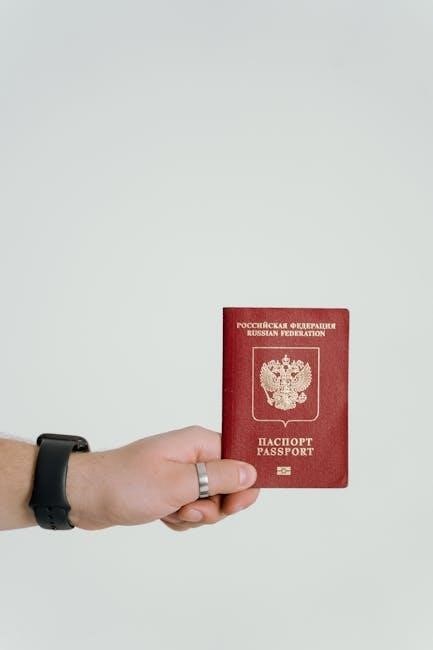
Q: My husband is on OPT/H1B, how does this affect my interview? A: Be clear about his status․ If on OPT, state he’s completing training and intends to return․ Avoid saying he’s “working” if still on F1 status․ Highlight your own financial self-sufficiency․
Sample Interview Questions & Suggested Responses
Q: Why did you choose this university and program? A: “I selected this university due to its renowned faculty in [specific area] and the program’s focus on [specialization]․ It aligns perfectly with my academic goals and professional aspirations, offering unique research opportunities․”
Q: What is your study plan? A: “My plan involves completing the required coursework, actively participating in research projects, and potentially pursuing internships to gain practical experience․ I aim to build a strong foundation in [field of study] to prepare for a future career․”
Q: How will you finance your studies? A: “I have secured a loan from Prodigy Finance, demonstrating my self-sponsorship․ Additionally, I have personal savings to cover living expenses․ My husband is currently on OPT, completing his training, and is not my primary financial support․”
Q: Why do you intend to return to your home country? A: “I have strong family ties and assets, including [property/investments], in my home country․ My long-term career goals involve contributing to [industry] in my homeland, utilizing the skills and knowledge gained from my studies․”
Resources for Further Preparation (PDF Guides)
University International Student Services Resources: Many universities offer tailored PDF guides specifically for their international students preparing for F1 visa interviews․ Check your university’s international student services website for these valuable resources․

Sample Interview Questions & Answers Compilations: Several websites compile common F1 visa interview questions and suggested responses in downloadable PDF format․ Search for “F1 visa interview questions PDF” to find these resources, but critically evaluate their accuracy․
Prodigy Finance’s Visa Application Support: Prodigy Finance often provides resources, including checklists and guides, to assist students with their visa applications․ Explore their website for relevant PDF downloads․ Remember to focus on demonstrating self-sufficiency and intent to return․