
What is a Landlord Proof of Residency Letter?
A Proof of Residency Form confirms a tenant’s address, utilized for legal, educational, or employment verification.
Landlords formally acknowledge tenancy via a Lease Agreement.
Definition and Purpose
A Landlord Proof of Residency Letter is a formal document confirming a tenant currently resides at a specific property. Essentially, it’s a verification of address issued by the property owner or manager. This letter serves as official documentation, often requested by various entities – government agencies, schools, employers, or financial institutions – to validate a person’s residential location.
The primary purpose is to establish a verifiable address for applications, benefits, or identification purposes. It’s a crucial piece of evidence when a standard address proof, like a utility bill, isn’t readily available or sufficient. The letter streamlines processes requiring residency confirmation, offering a direct statement from the landlord attesting to the tenant’s occupancy.
When is a Proof of Residency Letter Needed?
A Proof of Residency Letter is frequently required when applying for government assistance programs, such as Cash Assistance, as verified by Form W-147. Schools often request it for enrollment, confirming a student’s residential address within a specific district. Employers may need it for payroll and tax purposes, ensuring accurate records.
Banks and financial institutions utilize these letters when opening new accounts or verifying customer information. It’s also essential for obtaining a driver’s license or state ID. Furthermore, tenants might need it when applying for loans, insurance, or other services requiring address verification, especially if alternative documentation is unavailable.
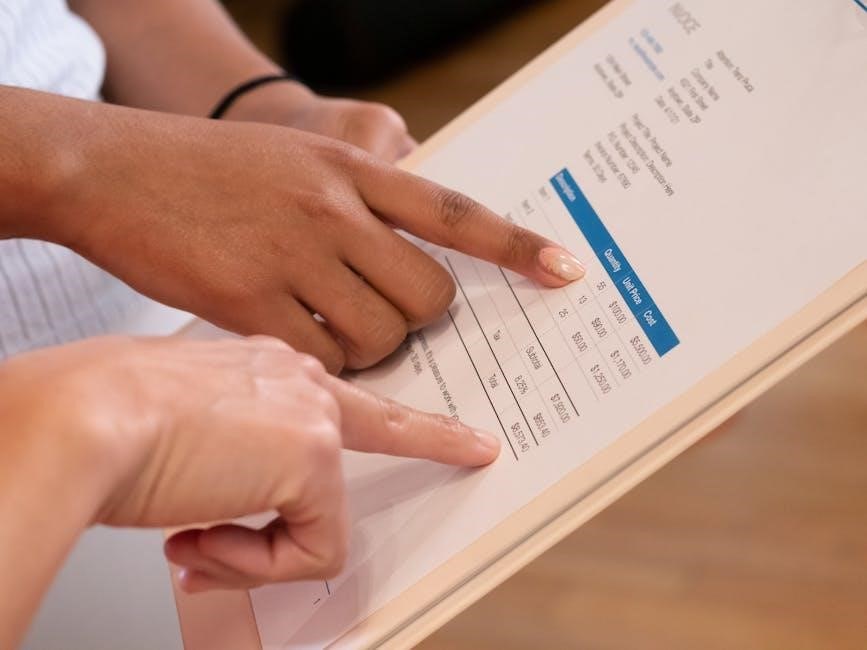
Key Components of a Proof of Residency Letter (PDF)
Essential information includes tenant names, property address, lease dates, and landlord contact details. Referencing the Lease Agreement number is also crucial for verification.
Essential Information to Include
A comprehensive letter requires several key details for accurate verification. Begin with the full legal names of the tenant(s) currently residing at the property. Clearly state the complete property address, ensuring it matches official records.
The lease start and end dates are vital, establishing the duration of residency. Include the specific Lease Agreement number for easy cross-referencing. Don’t forget the landlord’s or property manager’s full name and current contact information – phone number and email address are best.
A statement explicitly confirming the tenant’s residency at the specified address during the stated period is essential. This document serves as official proof, so accuracy is paramount.
Lease Agreement Reference
Explicitly referencing the Lease Agreement is crucial for a valid Proof of Residency letter. Include the complete Lease Agreement number within the letter’s body; this allows for quick and easy verification against official property records. Mentioning the agreement demonstrates a legally binding relationship between landlord and tenant.
Stating the dates covered by the lease – start and end dates – further solidifies the residency confirmation. This detail is particularly important for requests requiring proof for a specific timeframe.

A clear link to the agreement strengthens the letter’s credibility and minimizes potential disputes. It assures the requesting party of a documented tenancy.
Landlord’s Contact Information
Providing complete and accurate landlord contact details is essential for verification purposes. Include the landlord’s full name, current mailing address, and a reliable phone number. This allows requesting parties to easily confirm the information provided in the letter and resolve any discrepancies.
If the property is managed by a property management company, include their details instead of the individual landlord’s. Ensure the contact information is current to avoid delays or failed verification attempts.
Clear contact details demonstrate transparency and willingness to confirm the tenant’s residency.

Creating Your Own Landlord Proof of Residency Letter
You can tailor a template or write from scratch, saving attorney fees. Professional formatting ensures clarity and a positive impression for verification requests.
Using a Template vs. Writing from Scratch
Choosing between a template and crafting a letter from scratch depends on your comfort level and specific needs. Templates offer a pre-structured format, ensuring all essential information is included, and saving valuable time. Numerous online resources provide proof of residency templates readily available for download and customization.
However, writing from scratch allows for complete control over the content, enabling you to address unique requests or circumstances with precision. This approach is beneficial if the requesting party requires specific details not typically found in standard templates. While potentially more time-consuming, a custom letter demonstrates a personalized touch and attention to detail. Ultimately, both methods are viable, with the best option aligning with your individual requirements and available resources.
Formatting and Professionalism
Maintaining a professional format is crucial for a landlord proof of residency letter. Use a clear, readable font like Times New Roman or Arial, size 12. Ensure adequate margins – typically one inch – for a clean appearance. Include your letterhead with your property management company’s name, address, and contact information.
The letter should be concise and directly address the request for verification. Avoid unnecessary jargon or overly complex language. Proofread carefully for any grammatical errors or typos. A well-formatted and error-free letter demonstrates credibility and respect for the recipient, increasing the likelihood of a swift and positive response. Professionalism builds trust.

Legal Considerations and Best Practices
State-specific requirements may exist regarding proof of residency. Prioritize data privacy and tenant rights when releasing information; adhere to legal guidelines.
State-Specific Requirements
Landlord proof of residency letter requirements aren’t uniform across the United States. Some states or localities might have specific stipulations regarding the information a landlord must include in such a letter. For instance, certain jurisdictions may demand the inclusion of the lease start date, the names of all occupants, or a specific statement affirming the tenant’s continuous residency.
It’s crucial for landlords to research and comply with the regulations of their specific state and city. Failure to do so could render the letter invalid for its intended purpose, causing inconvenience for the tenant. Resources like state housing authorities or legal aid organizations can provide clarity on these varying requirements, ensuring the letter meets all necessary legal standards.
Data Privacy and Tenant Rights
Landlords must prioritize tenant data privacy when creating a proof of residency letter. Releasing excessive personal information beyond verifying address and tenancy is generally discouraged and potentially unlawful. Tenants have the right to inquire about what information is included and how it will be used.
A release form authorizing information disclosure, signed by the tenant, is a best practice. This demonstrates consent and protects both parties. Landlords should adhere to all applicable data protection laws and avoid retaining copies of the letter longer than necessary. Respecting tenant rights builds trust and ensures legal compliance.

Sample Landlord Proof of Residency Letter (PDF Example)
Templates offer a basic structure, easily tailored to specific requests. A standard letter confirms tenancy, address, and lease details for verification purposes.
Basic Template Structure
A foundational template for a Landlord Proof of Residency Letter typically begins with a formal heading, including the landlord’s or property management company’s letterhead. This is followed by the date and the recipient’s information – often a specific agency or individual requesting verification.
The core of the letter explicitly states the tenant’s full name and the property address they reside at. Crucially, it confirms the dates of the tenancy, referencing the start date and, if applicable, the end date of the Lease Agreement. A clear statement affirming the tenant’s current residency is essential.
Finally, the letter concludes with the landlord’s signature, printed name, and contact information – phone number and email address – for further verification if needed. Utilizing a PDF format ensures document integrity and professional presentation.
Variations for Specific Requests (e.g., Government Assistance)
When fulfilling requests for Government Assistance, a Landlord Proof of Residency Letter may require specific details. Agencies often necessitate the Lease Agreement number for cross-referencing and may request confirmation of all household members residing at the property.
Some forms, like Form W-147, provide pre-defined sections for the landlord to complete, focusing on verifying the tenant’s household and residency status for Cash Assistance applications. The letter might also need a statement confirming the tenant isn’t subletting or has any other residency arrangements.
Always carefully review the requesting agency’s guidelines to ensure the PDF letter includes all required information, avoiding delays in processing assistance applications.

Alternatives to a Landlord Letter for Proof of Residency
Utility Bills and Bank Statements serve as viable alternatives, verifying a residential address. These documents offer independent confirmation of residency, bypassing landlord involvement.
Utility Bills
Utility Bills, such as electricity, water, or gas statements, frequently function as acceptable proof of residency. These documents clearly display the resident’s name and the service address, providing strong verification. Ensure the bill is recent – typically within the last 30 to 60 days – to demonstrate current occupancy;
Acceptance varies by requesting organization; some may require a specific utility type. Digital bills are often accepted, but confirm with the recipient beforehand. A utility bill offers an independent verification source, eliminating reliance on a landlord’s letter, and is a readily available option for many tenants seeking to prove their address.
Bank Statements
Bank Statements serve as a reliable alternative for proving residency, often readily accessible to individuals. These statements typically display the account holder’s name and current mailing address, offering clear verification of where the tenant receives official correspondence. Like utility bills, statements should be recent – generally within the last 30-60 days – to confirm current habitation.
Ensure the statement is an official document from a recognized financial institution. Digital statements are usually accepted, but verification requirements may differ. Bank statements provide an independent source of address confirmation, bypassing the need for a landlord’s letter and offering a convenient solution.

Common Mistakes to Avoid

Avoid inaccurate information and ensure the landlord’s signature is present. Errors or missing signatures invalidate the document, causing delays and potential rejections.
Inaccurate Information
Maintaining accuracy is paramount when drafting a landlord proof of residency letter. Any discrepancies, such as incorrect dates of tenancy, a misspelled tenant’s name, or a wrong address, can render the letter useless. Organizations requesting proof often meticulously verify details against official records.
Double-check the Lease Agreement number and ensure it corresponds to the tenant’s actual lease. Verify the start date of the tenancy to avoid confusion. Even seemingly minor errors can lead to rejection and necessitate a revised letter, causing delays for the tenant. Thorough review is crucial before signing and submitting the document.
Lack of Landlord Signature
A landlord’s signature is absolutely essential for a proof of residency letter to be considered valid. Without it, the document lacks the necessary authentication and legal weight. The signature confirms the landlord’s verification of the tenant’s residency and their willingness to attest to the information provided within the letter.
Ensure the signature is legible and matches the landlord’s official signature on file. Digital signatures are often acceptable, but must be legally binding. An unsigned letter is effectively worthless and will likely be rejected by any requesting organization. Prioritize this step to avoid unnecessary complications for your tenant.

Resources for Landlord Proof of Residency Letters
Online templates and generators simplify letter creation, while legal aid and housing authorities offer guidance and assistance with residency verification processes.
Online Templates and Generators
Numerous websites provide landlord proof of residency letter templates, offering a convenient starting point for creating a customized document. These resources often feature pre-written text and formatting, streamlining the process and ensuring essential information is included. Searching for “proof of residency letter template” or “residency verification letter” yields various options, including those specifically designed for landlord use.
Many generators allow users to input tenant and lease details, automatically populating the template. This minimizes errors and saves time. Utilizing these tools can be particularly helpful for landlords unfamiliar with legal document drafting, ensuring clarity and professionalism in the letter. Remember to always review and adapt the template to accurately reflect the specific tenancy agreement and request.
Legal Aid and Housing Authorities
Legal Aid organizations and local Housing Authorities can provide valuable assistance regarding landlord proof of residency letters. They often offer free or low-cost legal advice, helping landlords understand state-specific requirements and tenant rights related to residency verification. These resources can clarify complex legal issues and ensure compliance with applicable laws.
Furthermore, they may offer sample letter templates or review drafted letters for accuracy and completeness. Housing Authorities frequently encounter residency verification requests for assistance programs, making them a knowledgeable source of information. Consulting these entities can mitigate potential legal risks and foster positive landlord-tenant relationships.