
Canon in D Pachelbel Sheet Music PDF: A Comprehensive Guide
Discover readily available Canon in D sheet music in PDF format for piano, guitar, and other instruments․ Explore free scores from various websites and resources online!
Historical Context of Pachelbel’s Canon
Johann Pachelbel’s Canon in D, though immensely popular today, experienced relative obscurity for centuries after its composition around 1680․ Initially part of a larger set of canons and variations, its rediscovery in the 20th century propelled it to iconic status․
The piece’s origins lie in a three-part canon, built upon a simple bassline․ This foundational structure allowed for extensive harmonic and melodic development․ While not immediately celebrated during Pachelbel’s lifetime, its enduring appeal speaks to the timeless quality of its musical construction and emotional resonance․
The Composer: Johann Pachelbel
Johann Pachelbel (1653-1706) was a German composer, organist, and teacher of the Baroque period․ He held various musical positions throughout his life, notably in Nuremberg and Stuttgart, before settling in Eisenach․ Though overshadowed by contemporaries like Bach and Handel for a long time, Pachelbel was a highly respected musician in his day․
He significantly influenced the development of the chorale prelude and fugue, and his compositions demonstrate a masterful command of counterpoint and harmony․ His Canon in D remains his most recognizable work, showcasing his skill in crafting elegant and emotionally evocative music․
Origins and Composition Date
The exact origins of Pachelbel’s Canon in D are somewhat shrouded in mystery․ It’s believed to have been composed around 1680, likely in Eisenach, Germany, during his tenure as court organist․ Originally titled “Canon for Three Violins and Basso,” it was part of a larger set of canons․
Interestingly, the piece wasn’t widely known during Pachelbel’s lifetime․ Its popularity surged much later, in the 20th century, becoming a staple in classical music and frequently used in popular culture․ The sheet music’s enduring appeal reflects its timeless beauty․
Musical Structure and Form
Pachelbel’s Canon is renowned for its simple yet captivating structure․ It’s built upon a repeating bassline – a ground bass – over which three violins weave a series of imitative melodies․ This creates a beautiful, layered texture․
The piece is divided into sections, often labeled A through I in sheet music arrangements․ These sections repeat with slight variations, maintaining the core harmonic progression․ The consistent harmonic rhythm and melodic imitation contribute to its calming and recognizable sound, making the sheet music accessible․

Finding Canon in D Sheet Music Online
Numerous websites offer free Canon in D sheet music PDFs, including Com, Mrluke’s arrangements, and Music Theory Academy․ Patreon also provides access to arrangements!
Popular Websites Offering Free PDF Scores
Locating free Canon in D sheet music is surprisingly easy thanks to several online resources․ Websites like Com (Free Scores) provide downloadable PDFs of Pachelbel’s iconic piece․ Mrluke’s arrangements offer alternative versions, catering to different skill levels and preferences․
Additionally, Music Theory Academy, spearheaded by Ben Dunnett, presents a well-regarded arrangement․ Many musicians also find arrangements available through Patreon, supporting creators while gaining access to quality sheet music․ Remember to always check the licensing and copyright information before using any downloaded scores․
Com (Free Scores) ౼ Overview
Free-scores․com is a vast repository offering Pachelbel’s Canon in D sheet music in PDF format․ Users can readily download scores labeled “Pachelbel Johann Canon 184778,” providing a basic rendition of the famous composition․ The site’s interface allows for easy searching and browsing, though the quality and arrangement styles can vary significantly․
It’s a good starting point for beginners seeking a simple, free version․ However, be mindful of potential variations in accuracy and completeness compared to professionally published editions․ Always preview the score before downloading to ensure it meets your needs․
Mrluke’s Arrangements
Mrluke provides arrangements of Pachelbel’s Canon in D, accessible as PDF downloads․ A notable offering is “Get Me Away from Here,” alongside a dedicated “Pachelbel Canon in D Piano Version” score․ These arrangements often cater to intermediate piano players, offering a slightly more complex interpretation than basic free scores․
Mrluke’s contributions are valuable for those seeking piano-specific adaptations․ Users can expect a focus on solo piano performance, potentially including stylistic embellishments or variations on the original Canon․ Check for arrangement details before downloading․
Music Theory Academy ー Ben Dunnett’s Version
Ben Dunnett, from Music Theory Academy, offers a Canon in D arrangement specifically designed for easy piano․ This PDF version breaks down the piece into nine labeled sections (A-I), facilitating learning and practice․ The sheet music includes tempo markings – “mp Gently 8” – guiding performance interpretation․
Dunnett’s arrangement prioritizes accessibility, making it ideal for beginners․ His website, www․musictheoryacademy․com, provides access to this score, alongside copyright information (© Ben Dunnett 2021)․ It’s a well-structured resource for understanding the Canon’s structure․
Patreon Access for Arrangements
Unlock exclusive access to a wider range of arrangements, including Canon in D, through Patreon! Supporting creators on Patreon grants access to both PDF and MP3 files of musical scores․ This provides musicians with versatile learning tools – sheet music for practice and audio files for reference․
Specifically, Patreon supporters can obtain Canon in D arrangements in both formats․ The link provided directs to the Patreon page where these royalty-free arrangements are available․ This offers a direct way to support the artist and gain valuable musical resources․
Considerations When Downloading Free Sheet Music
Exercise caution when sourcing free Canon in D sheet music PDFs online․ While numerous websites offer scores, quality and accuracy can vary significantly․ Always verify the arrangement’s completeness and musical correctness before relying on it for practice or performance․
Be mindful of potential copyright restrictions, even with “free” downloads․ Some arrangements may lack proper licensing or attribution․ Prioritize reputable sources and consider supporting creators through paid options when possible to ensure fair compensation and high-quality materials․
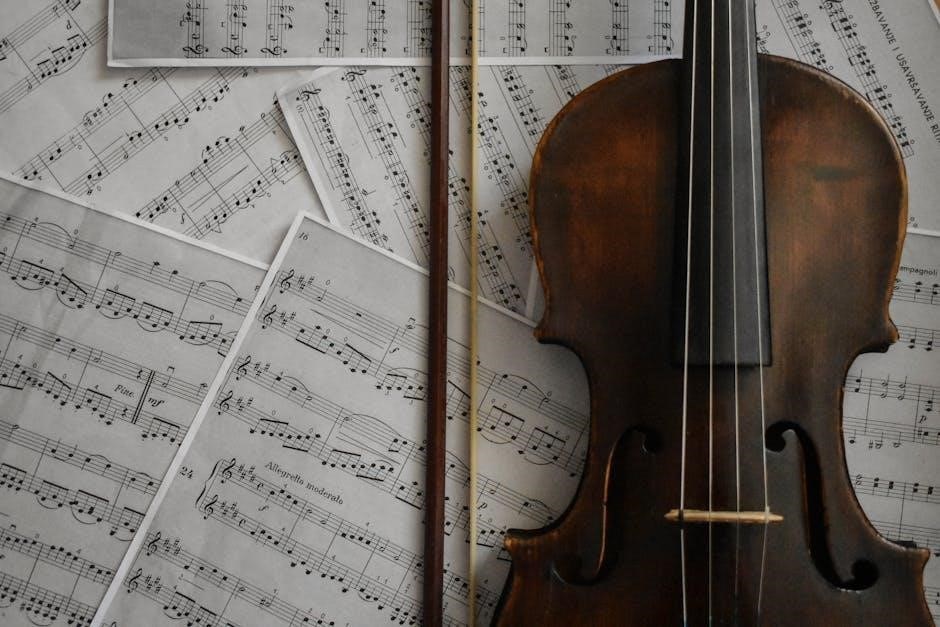
Sheet Music Variations for Different Instruments
Explore diverse arrangements of Pachelbel’s Canon in D, including piano solo, guitar tablature, violin, and cello adaptations readily available as PDF downloads․
Piano Solo Arrangements
Numerous piano solo arrangements of Canon in D exist, catering to varying skill levels․ Free Scores ー Com offers a basic PDF version, while Mrluke’s arrangements provide alternative interpretations․ Ben Dunnett’s version, available through Music Theory Academy, is specifically arranged for easy piano learning․
Patreon access unlocks additional royalty-free arrangements in both PDF and MP3 formats․ These arrangements often differ in complexity, ranging from simplified beginner versions to more challenging, advanced interpretations․ Consider your piano proficiency when selecting a suitable arrangement for practice and performance․
Guitar Tablature and Sheet Music
Finding Canon in D specifically arranged for guitar presents diverse options․ Classi provides free PDF sheet music or tablature, enabling guitarists to learn this iconic piece․ While dedicated free sheet music resources are less abundant than piano versions, several websites offer arrangements․
Guitar tablature simplifies learning for those unfamiliar with standard notation․ Searching online guitar communities and forums can reveal user-created transcriptions and arrangements․ Remember to verify the accuracy of any downloaded tablature or sheet music before relying on it for practice or performance․
Other Instrument Adaptations (Violin, Cello, etc․)
Beyond piano and guitar, Canon in D’s harmonic structure lends itself beautifully to various instruments․ Sheet music adaptations exist for violin, cello, and even string ensembles․ While less prevalent than piano scores, dedicated searches yield arrangements suitable for these instruments․
Musicians often adapt existing piano sheet music for their instrument, requiring transposition and consideration of range․ Websites specializing in instrumental sheet music frequently offer Canon in D arrangements․ Exploring online music libraries and forums can uncover unique adaptations created by fellow musicians․
Understanding the Sheet Music
Deciphering Canon in D sheet music requires recognizing key signatures, time signatures, and musical symbols․ Note the repeating A-I sections and tempo markings!
Key Signature and Time Signature
Pachelbel’s Canon in D is primarily written in the key of D major, indicated by two sharps (F# and C#) in its key signature․ This establishes the tonal center and harmonic foundation of the piece․ The time signature is 3/4, meaning there are three quarter notes per measure․
This 3/4 time signature contributes to the Canon’s characteristic flowing, waltz-like feel․ Understanding these fundamental elements – the key of D major and the 3/4 time – is crucial for accurately interpreting and performing the sheet music․ Recognizing these signatures allows musicians to navigate the harmonic and rhythmic structure effectively․
Decoding Musical Notation Symbols
Canon in D sheet music utilizes standard musical notation․ Familiarize yourself with symbols like the treble and bass clefs, representing pitch ranges․ Note values – whole, half, quarter, and eighth notes – dictate rhythm․ Sharps (#) raise a note by a half step, while flats (♭) lower it․
Pay attention to ties connecting notes, extending their duration․ Dynamic markings (mp for mezzo piano, meaning moderately soft) indicate volume․ Understanding these symbols unlocks the musical language, enabling accurate reading and expressive performance of Pachelbel’s iconic Canon․
Sections of the Canon (A-I) and Repetition
Pachelbel’s Canon in D is structured into nine distinct sections, labeled A through I, forming the foundational harmonic progression․ These sections aren’t entirely unique; rather, they are repeated and layered upon each other, creating the canon’s signature imitative texture․
The sheet music clearly delineates these sections․ Mastering the A-I sequence is crucial; Recognizing the repetition allows musicians to anticipate harmonic changes and build a cohesive, flowing interpretation of this beloved piece․ The cyclical nature defines the Canon’s beauty․
Tempo Markings (mp Gently 8)
Sheet music for Canon in D frequently includes “mp Gently 8” as a tempo and dynamic marking․ “mp” signifies mezzo piano, meaning moderately soft․ “Gently” instructs a delicate and expressive performance style, avoiding harshness․ The “8” likely refers to a beat division or a suggested pulse, though interpretations vary․
Ben Dunnett’s arrangements specifically highlight this marking․ Understanding these nuances is vital for capturing the Canon’s intended emotional impact․ While flexible, adhering to these guidelines ensures a respectful and beautiful rendition․

Using the Sheet Music Effectively
Maximize your learning with Canon in D sheet music! Start slowly, focusing on accuracy, then gradually increase tempo for a polished, expressive performance․
Difficulty Levels: Easy Piano vs․ Advanced
Canon in D sheet music presents varying difficulty levels․ “Easy Piano” arrangements simplify the harmonic structure and melodic lines, ideal for beginners building foundational skills․ These versions often omit complex ornamentation and focus on the core progression․
Advanced arrangements retain the original’s intricate counterpoint and harmonic richness, demanding greater technical proficiency; Expect complex fingerings, faster tempos, and a deeper understanding of musical theory․ Ben Dunnett’s arrangements cater to different skill levels, clearly indicating the intended difficulty․
Choosing the right version ensures a rewarding learning experience, preventing frustration and fostering musical growth․ Consider your current abilities honestly before selecting sheet music․
Practicing Techniques for Beginners
Beginners tackling Canon in D should start slowly, focusing on accuracy over speed․ Practice hands separately to master each part before combining them․ Utilize a metronome to develop consistent timing and rhythm – start at a very slow tempo!
Break the piece into smaller sections (A-I) and perfect each before moving on․ Pay close attention to the repeating patterns; recognizing these simplifies memorization․ Consistent, short practice sessions are more effective than infrequent, long ones․
Don’t be afraid to simplify further if needed, and celebrate small victories!
Tips for Improving Performance
To elevate your Canon in D performance, focus on dynamics and phrasing․ The sheet music indicates “mp Gently 8” – strive for a soft, lyrical sound․ Experiment with subtle variations in volume to create emotional depth․
Listen to professional recordings to internalize the piece’s interpretation․ Pay attention to how they handle the repeating sections and build towards climaxes․ Record yourself playing and critically evaluate your performance․
Finally, practice with expression and musicality, not just technical accuracy!

Copyright and Licensing Information
Be aware of copyright restrictions when using Canon in D sheet music․ Ben Dunnett’s arrangements (2021) and royalty-free options exist․
Understanding Copyright Restrictions

Navigating copyright for Pachelbel’s Canon in D sheet music requires careful attention․ While the original composition is in the public domain, arrangements are often protected․ Downloading from unofficial sources may infringe on copyright laws, potentially leading to legal consequences․
Many websites offer arrangements under specific licenses․ Always check the terms of use before downloading or distributing any sheet music․ Ben Dunnett’s arrangements, for example, have a clear copyright notice (2021) and usage guidelines on musictheoryacademy․com․ Respecting these rights ensures continued access to quality arrangements․
Royalty-Free Arrangements
Fortunately, numerous royalty-free arrangements of Pachelbel’s Canon in D are available, offering musicians flexibility for performance and recording․ These arrangements permit use without ongoing licensing fees, simplifying the process for educators, performers, and hobbyists alike․
Platforms like Patreon provide access to arrangements in both PDF and MP3 formats, supporting creators while offering convenient, legal access to sheet music․ Exploring these options ensures compliance with copyright regulations and fosters a sustainable ecosystem for musical arrangements․ Check links for access!
Ben Dunnett’s Copyright Notice (2021)
Regarding sheet music arrangements of Pachelbel’s Canon in D, Ben Dunnett of Music Theory Academy asserts copyright protection for his work, established in 2021․ This copyright extends to the specific arrangements created and published on his website, www․musictheoryacademy․com․
The notice clarifies usage rights, typically permitting personal study and performance but restricting unauthorized reproduction or distribution․ The arrangement includes tempo markings like “mp Gently 8”․ Respecting this copyright ensures proper attribution and supports the creator’s intellectual property rights․

Tools for Musicians
Enhance your musical journey with online calculators for theory, scientific notation, and standard math functions – aiding in understanding and practicing Canon in D․
Online Calculators for Music Theory
Delve deeper into the harmonic structure of Pachelbel’s Canon in D with accessible online music theory calculators․ These tools assist in analyzing chord progressions, understanding key signatures, and deciphering intervals present within the piece․ Utilize resources to calculate tempo, identify scales, and explore the mathematical relationships underpinning the Canon’s beautiful sequence․
Furthermore, explore scientific notation calculators for complex musical calculations, aiding in precise timing and frequency analysis․ These digital aids complement sheet music study, fostering a more comprehensive grasp of the composition’s intricacies and theoretical foundations․
Scientific Notation Calculator
Enhance your understanding of Pachelbel’s Canon in D by utilizing a scientific notation calculator for advanced musical analysis․ These tools facilitate precise calculations involving frequencies, wavelengths, and harmonic relationships within the piece’s structure․ Explore complex mathematical expressions related to the Canon’s intervals and chord progressions․
Specifically, these calculators aid in converting between standard notation and scientific format, useful for detailed spectral analysis or exploring the physics behind the Canon’s resonant qualities․ They provide a deeper, quantitative perspective on the music’s inherent mathematical beauty․
Math Tools for Musicians
Delve deeper into Pachelbel’s Canon in D with essential math tools designed for musicians․ These resources assist in understanding the piece’s rhythmic complexities and harmonic structures․ Utilize online calculators for tasks like calculating tempo variations, beat subdivisions, and interval ratios present within the Canon’s repeating patterns․
Furthermore, explore tools for determining time signature alterations or analyzing the mathematical relationships between chords․ These instruments empower musicians to dissect and comprehend the underlying mathematical principles that contribute to the Canon’s enduring appeal․

Advanced Concepts Related to Canon in D
Explore the harmonic progression, counterpoint, and canon form within Pachelbel’s masterpiece․ Understand its influence on modern music and analyze its intricate musical structure․
Harmonic Progression and Chord Analysis
Pachelbel’s Canon in D relies on a repeating chord progression, primarily utilizing the chords of D major, A major, B minor, F# minor, G major, Em, and A7․ This sequence, a diatonic progression, creates a foundational harmonic structure․ Analyzing the chords reveals a consistent bass line movement, contributing to the piece’s calming effect․
The progression’s simplicity is deceptive; it provides a canvas for the melodic interplay of the canon․ Understanding the chord changes allows musicians to improvise or create variations․ The consistent harmonic rhythm supports the contrapuntal texture, making it a cornerstone of Baroque music theory and composition․
Counterpoint and Imitation
Canon in D is a prime example of contrapuntal writing, where multiple melodic lines are interwoven․ The core technique is imitation – each voice enters with the same melody, delayed in time․ This creates a layered texture, building harmonic richness as the melodies overlap․
Pachelbel masterfully employs strict imitation, maintaining the melodic contour across voices; The bass line provides a harmonic foundation while the upper voices engage in this echoing effect․ This interplay demonstrates a sophisticated understanding of counterpoint, a hallmark of Baroque musical structure and compositional technique․
The Canon Form Explained
A canon, fundamentally, is a musical composition where a melody is imitated by one or more voices after a delay․ Pachelbel’s Canon utilizes a strict canon – voices enter one after another, precisely replicating the initial melody․ This creates a cyclical structure, with repeating sections (A-I) building upon each other․
Unlike a fugue, the canon maintains a consistent harmonic progression throughout․ The repeating bassline, a ground bass, anchors the piece while the canonic voices weave above․ This form showcases Pachelbel’s skill in creating a captivating and harmonious texture through simple, yet elegant, imitation․
Influence on Modern Music
Pachelbel’s Canon, despite its Baroque origins, continues to resonate profoundly in contemporary music․ Its harmonic progression – a I-V-vi-IV sequence – is ubiquitous in pop songs, appearing in countless compositions across genres․ Artists frequently sample or allude to the Canon’s melody and structure․
The piece’s enduring appeal lies in its simplicity and emotional depth․ It’s been re-imagined in diverse arrangements, from electronic dance music to film scores, demonstrating its versatility․ The Canon’s influence extends beyond direct quotation, shaping melodic and harmonic sensibilities in modern songwriting․

Resources for Further Learning
Enhance your musical journey with online theory websites, piano lessons, and guitar tablature resources․ Explore Pachelbel’s complete works for deeper understanding!
Music Theory Websites and Tutorials
Delve into the intricacies of music theory to fully appreciate Pachelbel’s Canon in D․ MusicTheoryAcademy, spearheaded by Ben Dunnett, offers comprehensive tutorials and resources, directly related to understanding the Canon’s structure․ Explore chord progressions, counterpoint, and the canon form itself through detailed explanations and exercises․
Numerous websites provide foundational music theory knowledge, covering key signatures, time signatures, and notation symbols․ These resources will empower you to decode the sheet music effectively and gain a deeper insight into the harmonic beauty of this timeless composition․ Further study unlocks a richer performance experience․
Online Piano Lessons
Enhance your ability to play Pachelbel’s Canon in D with structured online piano lessons․ Many platforms offer courses catering to various skill levels, from beginner to advanced․ These lessons can guide you through proper technique, finger positioning, and musical interpretation, specifically for this iconic piece․
Look for tutorials focusing on reading sheet music, understanding dynamics (like the ‘mp Gently 8’ marking), and mastering the Canon’s repetitive yet nuanced sections․ Consistent practice, guided by expert instruction, will accelerate your progress and allow you to beautifully perform this beloved composition․
Guitar Tablature Resources
For guitarists eager to learn Pachelbel’s Canon in D, numerous online resources provide tablature and sheet music․ Websites offer both free and paid arrangements, catering to different skill levels and playing styles․ Explore options ranging from simplified beginner versions to complex fingerstyle arrangements․
Search for resources specifically labeled “Pachelbel Canon in D for Guitar” to quickly locate relevant materials․ Consider utilizing platforms that allow you to adjust the playback speed and transpose the music to suit your preferences, aiding in effective learning and practice․
Exploring Pachelbel’s Other Works
Beyond the globally recognized Canon in D, Johann Pachelbel composed a vast and diverse catalog of musical pieces․ Delve into his extensive collection of organ works, including chorale preludes, toccatas, and fugues, showcasing his mastery of counterpoint and harmonic richness․
Discover his chamber music, such as sonatas for violin and basso continuo, revealing a more intimate and expressive side of his compositional style․ Exploring these works provides a broader appreciation for Pachelbel’s genius and musical legacy, enriching your understanding beyond his famous canon․